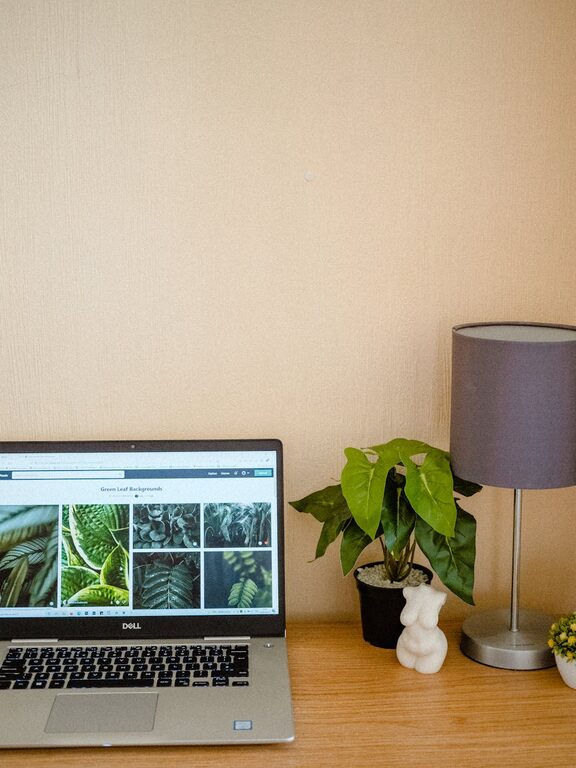
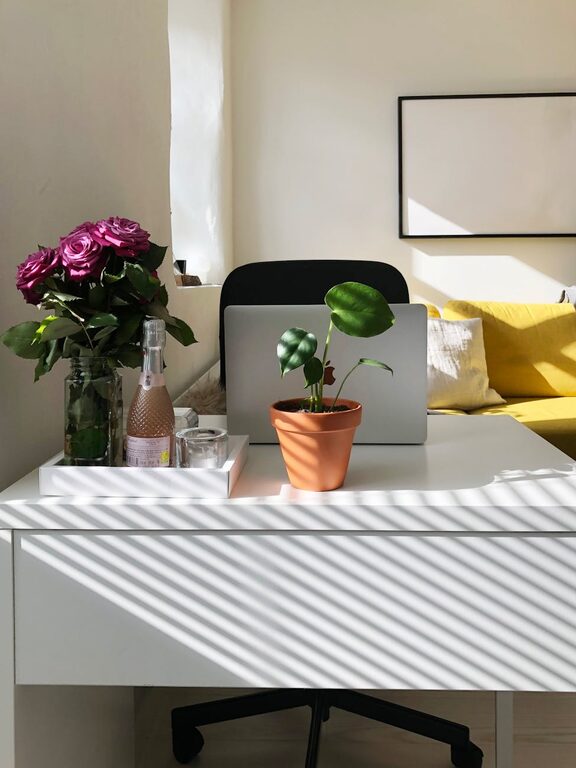
Creating a relaxing home office environment is essential for maintaining focus, reducing stress, and increasing productivity. Whether you work from home full-time or occasionally use a home workspace, setting up a calming and comfortable office can make a big difference in your day-to-day experience. In this post, we’ll explore practical tips to help you design a workspace that encourages relaxation and efficiency.
Why a Relaxing Home Office Matters
Working in a cluttered or uncomfortable environment can increase stress and reduce motivation. On the other hand, a thoughtfully arranged office can promote creativity, focus, and a sense of calm. When your workspace feels inviting and organized, you’re more likely to enjoy your work and maintain a healthy work-life balance.
Choose the Right Location
Start by selecting the best spot in your home for your office. Ideally, find a space with:
– Natural light: Exposure to daylight can boost mood and reduce eye strain. Position your desk near a window if possible.
– Quiet surroundings: Minimize distractions by choosing a room or corner with limited noise.
– Adequate space: Make sure there is enough room for your desk, chair, and necessary equipment without feeling cramped.
Prioritize Ergonomics for Comfort
Comfort is key to a relaxing office. Ergonomic furniture supports your body and reduces fatigue.
– Invest in a good chair: Look for chairs with lumbar support and adjustable height and tilt to suit your posture.
– Use a proper desk height: Your desk should allow your arms to rest at a 90-degree angle when typing.
– Adjust your screen: Your computer monitor should be at eye level to avoid neck strain.
– Consider accessories: Items like a footrest, wrist rests, or standing desk options can add extra comfort.
Keep it Clean and Organized
Clutter can cause stress and distraction. Keeping your workspace tidy promotes mental clarity.
– Declutter regularly: Remove items that don’t serve your work or cause distractions.
– Use storage solutions: Bins, drawers, and shelves help keep documents and supplies organized.
– Create a filing system: Whether digital or physical, organizing your files makes finding things quicker and easier.
– Limit decor: Choose a few calming decorations rather than overcrowding your space.
Incorporate Relaxing Colors and Decor
Colors influence mood, so choose tones that promote calmness and concentration.
– Soft neutrals: Shades like beige, light gray, or pastel blues and greens create soothing atmospheres.
– Add plants: Indoor plants improve air quality and add a touch of nature that can reduce stress.
– Personal but minimal: Display a photo or art piece that inspires you without adding clutter.
– Use soft lighting: Avoid harsh fluorescent bulbs; opt for lamps with warm light or adjustable brightness.
Manage Noise Levels
Noise distractions can disrupt concentration and increase anxiety.
– Use noise-cancelling headphones: They can block out background noise during focused work times.
– Play relaxing background sounds: Soft music, white noise, or nature sounds can create a pleasant atmosphere.
– Soundproof the space: Adding rugs, curtains, or acoustic panels can reduce echo and outside noise.
Create a Routine with Break Areas
To maintain relaxation and productivity, plan your work and breaks effectively.
– Designate a break spot: If space allows, have a comfortable chair or small area separate from your desk to rest.
– Take frequent breaks: Stand, stretch, or walk around every hour to reduce tension.
– Incorporate mindfulness: Consider short meditation or breathing exercises during breaks to clear your mind.
Ensure Proper Ventilation and Temperature Control
Comfortable air quality and temperature help you stay alert and comfortable.
– Open windows when possible: Fresh air can boost alertness and reduce stuffiness.
– Use fans or humidifiers: Depending on your climate, they can improve comfort.
– Adjust thermostat: Maintain a workspace temperature that feels comfortable to you, usually between 68–72°F (20–22°C).
Limit Digital Distractions
Technology is vital but can also become a source of interruption.
– Turn off unnecessary notifications: Mute alerts for non-urgent apps during focused work.
– Use website blockers: Limit time on distracting sites.
– Keep your desktop clean: Organize your computer files and shortcuts to stay focused.
Personalize Your Space Mindfully
While personalization can motivate you, balance is important to maintain a relaxing vibe.
– Use scents: Essential oil diffusers or candles with relaxing fragrances like lavender can create a sense of calm.
– Add inspirational quotes: Choose a few motivating phrases that uplift your mood.
– Include items that spark joy: Whether a small figurine or a favorite mug, keep these minimal.
Final Thoughts
Creating a relaxing home office environment doesn’t require a major renovation. Small, intentional changes can significantly improve comfort, reduce stress, and boost your productivity. Focus on the basics: comfort, organization, calming colors, and minimizing distractions. By tailoring your workspace to support your well-being, you’ll create an inviting place where work feels less like a chore and more like a fulfilling part of your day.
About the Author