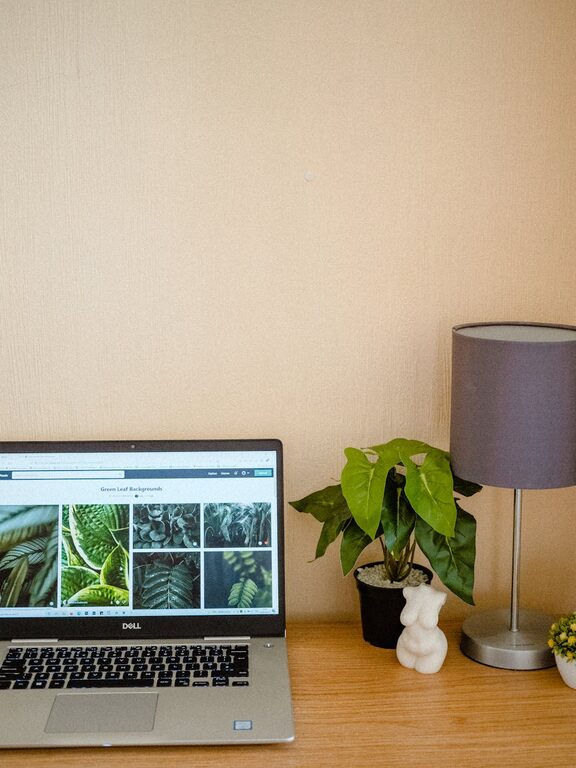

Creating a home office that is both comfortable and productive can significantly improve your work-from-home experience. A well-organized space reduces distractions, enhances focus, and makes long hours more pleasant. Whether you’re working in a small corner or a dedicated room, these simple tips will help you organize your home office efficiently.
1. Choose the Right Location
Find a Quiet Spot
Select a place in your home that is quiet and has minimal traffic. This helps reduce interruptions and noise, allowing you to concentrate better on your tasks.
Consider Natural Light
Set up your desk near a window if possible. Natural light improves mood and energy levels throughout the day. If natural light is limited, invest in a good desk lamp with adjustable brightness.
2. Declutter Your Workspace
Keep Only Essentials on Your Desk
Remove anything that isn’t necessary for your daily tasks. A clutter-free desk makes it easier to focus and keeps your mind clear.
Use Storage Solutions
Utilize shelves, drawers, bins, or filing cabinets to store supplies and paperwork. Label these containers for quick access and to maintain organization over time.
3. Organize Your Technology Setup
Cable Management
Gather and arrange cables using clips, sleeves, or cable boxes. This not only improves appearance but also prevents tripping hazards and damage to cords.
Optimize Screen Arrangement
Position your monitor at eye level and about an arm’s length away to reduce neck and eye strain. If using multiple screens, align them for easy viewing transitions.
4. Create a Comfortable Seating Arrangement
Invest in an Ergonomic Chair
Choose a chair that supports your back and encourages good posture. Adjustable height and lumbar support are essential features for comfort during long work hours.
Add Footrests or Cushions
If your feet don’t rest flat on the floor, a footrest can increase comfort. Cushions also provide added support and help prevent discomfort.
5. Personalize Without Overcrowding
Add Inspiring Decor
Incorporate a few personal items like photos, plants, or artwork that make you happy but avoid overloading the space, which can cause distractions.
Use Plants for Freshness
Small potted plants improve air quality and add a touch of nature, which can reduce stress and increase productivity.
6. Develop Systems for Daily Organization
Use a Planner or Task List
Keep a planner, calendar, or digital task manager nearby to track deadlines and appointments. Regularly updating and reviewing your schedule helps maintain focus.
Set Up a Mail Station
Designate an area for incoming mail, bills, and documents to process. Sorting mail daily prevents piles from accumulating.
7. Maintain Regular Cleanups
Daily Tidying
Spend a few minutes each day putting things back in place. This habitual cleanup keeps your space neat and ready for the next workday.
Weekly Deep Clean
At least once a week, clean surfaces, dust electronics, and declutter drawers or storage areas to keep your office environment fresh and organized.
8. Mind Your Lighting and Temperature
Use Adjustable Lighting
Having options for bright task lighting and softer ambient light lets you control your workspace atmosphere depending on the time of day and your needs.
Control Room Temperature
Keep your workspace at a comfortable temperature to avoid distractions caused by feeling too hot or cold.
Final Thoughts
Organizing your home office is a key step towards maximized productivity and comfort. It doesn’t require a big budget or too much time—small, consistent changes will make your space more functional and enjoyable. Start with these simple tips, and tailor your environment in ways that best support your work habits and personal comfort. Over time, your organized home office will become a place you look forward to working in every day.
About the Author